
In Burundi, one of East Africa’s poorest countries, aging comes with unique challenges. Among the most pressing is disability and loss of mobility, which strips elderly citizens of their independence, dignity, and ability to participate fully in community life. For many seniors, something as simple as moving around their home or reaching a health facility becomes an insurmountable obstacle.
Burundi Elderly Home Care (BEHC), founded in 2020 by Mr. Rubashamuheto Jesus-Marie and co-founded by Ms. Nimbona Alida, has emerged as a pioneering organization dedicated to addressing these challenges. Licensed in 2025 and based in Bujumbura, Burundi, BEHC is working to restore dignity to elderly people living with disabilities by promoting the power of mobility.
Disability and Aging in Burundi
Disability among the elderly in Burundi arises from multiple factors: chronic illness, untreated injuries, malnutrition, and the natural decline of physical strength with age. Limited healthcare access means conditions that could be managed—such as arthritis, stroke, or vision impairment—often progress unchecked, resulting in permanent disability.
For elderly Burundians, disability is not just a health issue but a poverty trap. Without mobility, they cannot fetch food, attend medical appointments, or contribute to household activities. Many become entirely dependent on relatives who themselves may lack resources. Others, tragically, are abandoned and left to fend for themselves.
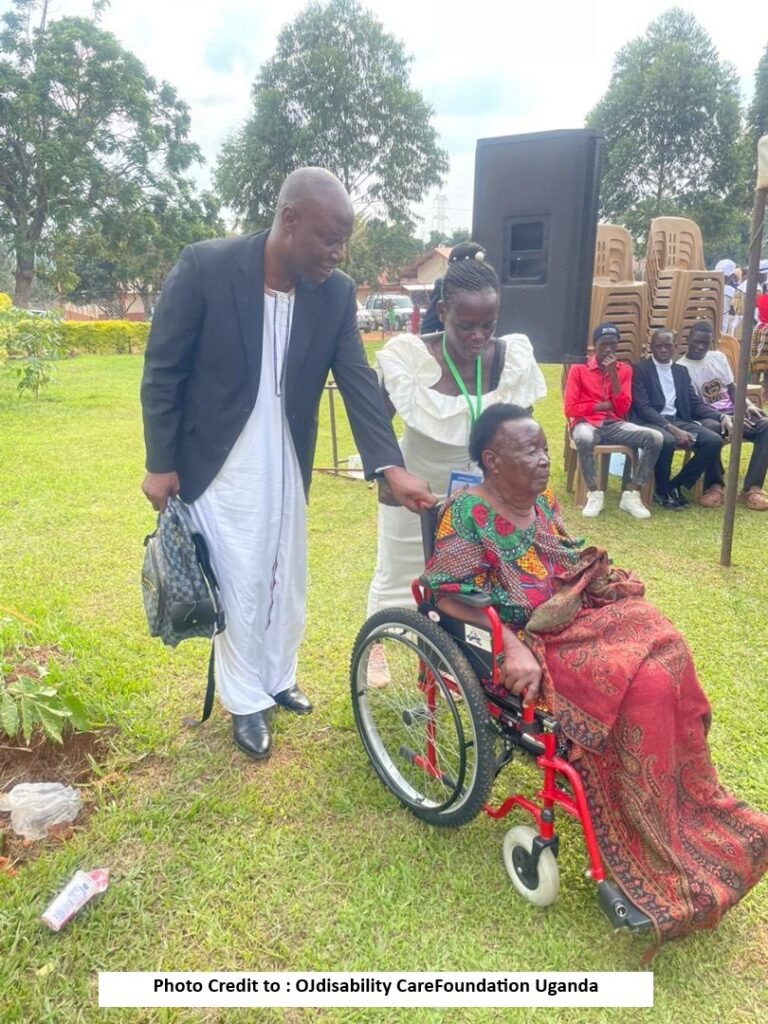

The Power of Mobility
Mobility is more than movement—it is freedom, dignity, and survival. For elderly people with disabilities in Burundi, a simple mobility aid such as a wheelchair, walker, or cane can mean the difference between isolation and inclusion, between despair and hope.
- Physical independence: Wheelchairs enable elderly people to move around their communities, visit clinics, and attend social gatherings.
- Mental well-being: Restoring mobility reduces feelings of worthlessness and depression, common among abandoned seniors.
- Access to healthcare: Mobility aids allow the elderly to consistently access HIV/AIDS treatment, chronic disease management, and nutritional support.
- Economic relief: Families caring for immobile seniors benefit when their loved ones regain some independence, reducing the caregiving burden.
The Role of Burundi Elderly Home Care
BEHC is one of the first organizations in Burundi to prioritize mobility for elderly citizens. Its interventions include:
- Lobbying and Partnerships: BEHC advocates at local, national, and international levels for donations of wheelchairs and mobility aids. These resources are distributed to the most vulnerable seniors.
- Community Sensitization: The organization raises awareness about the rights of elderly people with disabilities and challenges the stigma that often surrounds them.
- Direct Support: BEHC provides counseling, home visits, and health referrals for seniors with disabilities, ensuring they are not abandoned.
- Policy Advocacy: The organization works to influence government and NGO policies so that elderly people are explicitly included in disability and healthcare programs.
The Gaps and the Call for Global Research
While BEHC is making progress, the need far outpaces available resources. Burundi remains one of the least resourced countries in Africa, and the government’s interventions, though commendable, are insufficient to meet the scale of the challenge.
There is a pressing need for global researchers and partners to collaborate with BEHC to design evidence-based interventions, including:
- Research on aging and disability in low-resource settings, highlighting practical solutions tailored for Burundi.
- Innovative, low-cost mobility aids designed for rural environments where wheelchairs must navigate rough terrain.
- Policy studies that provide frameworks for governments to better integrate elderly disability care into national health systems.
- Impact assessments to measure how mobility improves quality of life, so that donor support can be guided by solid data.
Conclusion
Disability should not mean the end of dignity for Burundi’s elderly. With the right interventions, particularly restoring mobility through wheelchairs and other aids, elderly citizens can continue to live fulfilling lives.
Burundi Elderly Home Care is committed to this mission but cannot achieve it alone. Partnerships with global researchers, NGOs, and donors are essential to scale up interventions, address systemic gaps, and ensure that no elderly person in Burundi is left immobile, neglected, or forgotten.
The power of mobility is the power of dignity. By working together, we can restore both.