
An Open Invitation to Investors from Around the World
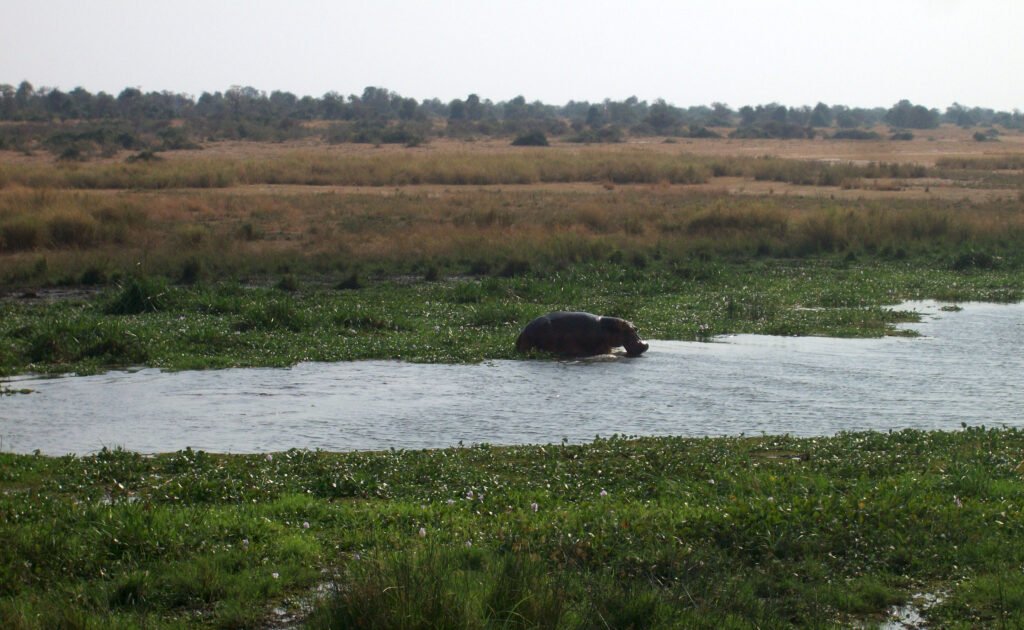
Burundi is ready to welcome a new generation of investors.
Located in the heart of East Africa and bordering Tanzania, Rwanda and the Democratic Republic of Congo, Burundi offers a strategic position for businesses seeking opportunities in a region with growing markets, abundant natural resources, a productive agricultural base and significant potential for value-added industries. The country is increasingly looking toward investment, industrialisation, export growth and private-sector development as important drivers of its economic transformation.
Today, we invite international investors, African investors, development-oriented companies, private equity groups, entrepreneurs, mining companies, agribusinesses, tourism operators and strategic partners to look seriously at Burundi—not simply as a market, but as a country where long-term investments can create substantial economic and social value.
The opportunity is particularly compelling because Burundi possesses resources and sectors that remain significantly underdeveloped. The country’s official investment-promotion agency identifies agriculture, mining, tourism, energy, industry, technology, education and health among the sectors offering investment opportunities.
1. Gold and the Mining Sector: From Raw Resources to Value Creation
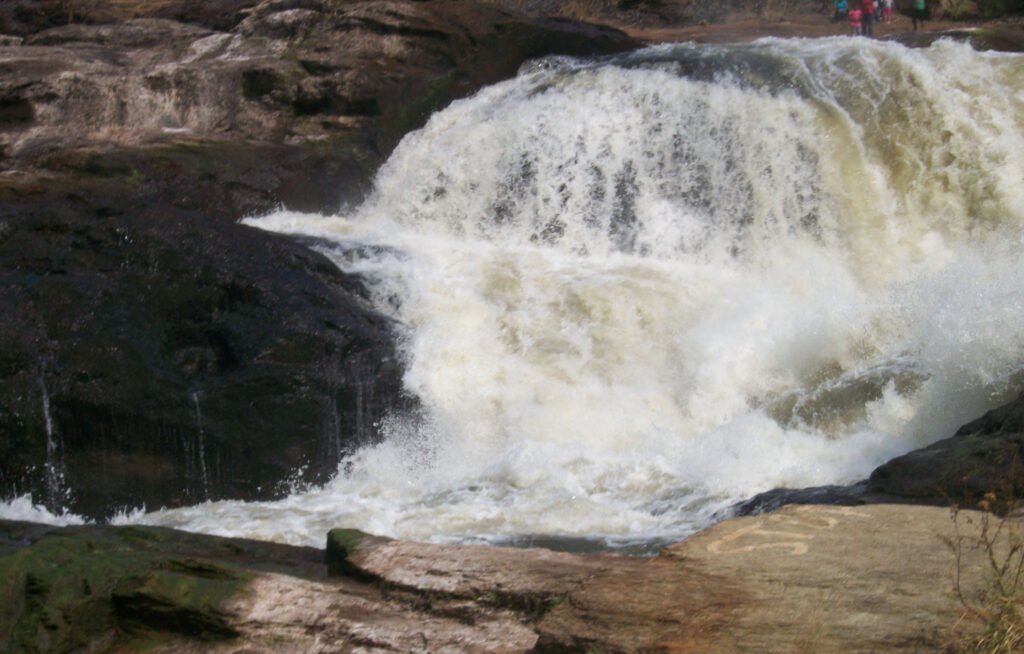
Burundi has a diverse mineral resource base that includes gold, nickel, coltan, cassiterite, colombo-tantalite, wolframite, phosphates, vanadium, limestone and other mineral resources. The country’s investment authorities also identify opportunities for the development of nickel, modern mining operations and mineral processing.
Gold deserves particular attention. Gold has historically been produced from alluvial deposits, while further exploration and development could create opportunities for investors with the appropriate technical, financial and environmental capacity.
The opportunity is not limited to extracting minerals. Burundi needs investment across the entire mining value chain:
- Geological exploration and modern surveying;
- Responsible industrial mining;
- Mineral processing and refining;
- Modern equipment and mining technology;
- Laboratory and testing facilities;
- Mineral transportation and logistics;
- Environmental rehabilitation;
- Skills development and technical services;
- Responsible mineral trading and export infrastructure.
Nickel is another strategic opportunity. The Musongati area is associated with significant nickel potential, while other areas have indications of nickel, copper, cobalt, iron, vanadium and other minerals.
For investors with the appropriate expertise, Burundi therefore offers an opportunity to participate not merely in mineral extraction, but in building African mineral value chains.
2. Coffee: Investing in One of Burundi’s Most Recognised Agricultural Products
Coffee is one of Burundi’s strongest agricultural export opportunities. The country’s climate, altitude and agricultural conditions provide a strong foundation for high-quality coffee production.
The opportunity goes far beyond buying raw coffee beans. Investors can participate in:
- Coffee plantations and rehabilitation of existing plantations;
- Modern washing stations;
- Coffee processing;
- Roasting and packaging;
- Specialty and premium coffee brands;
- Warehousing and logistics;
- Export companies;
- Coffee tourism;
- Farmer cooperatives and out-grower schemes;
- International marketing and distribution.
The World Bank identifies coffee export performance as one of the factors supporting Burundi’s economic growth outlook and highlights the broader opportunity for Burundi to process agricultural products into higher-value goods for regional and international markets.
The message is simple: Burundi should not only export coffee—it should increasingly capture more value from every kilogram produced.
3. Avocado and High-Value Horticulture
Burundi’s agricultural potential extends well beyond coffee and tea. Avocado production and processing represent promising areas for private investment, particularly where investors can combine commercial farming with modern irrigation, improved seedlings, cold-chain infrastructure, processing and export.
Investors can explore opportunities in:
- Commercial avocado plantations;
- Smallholder out-grower programmes;
- Avocado oil production;
- Packaging and export;
- Cold storage;
- Fruit processing;
- Irrigation systems;
- Agricultural machinery;
- Organic and premium agricultural products.
Other high-value horticultural products can also be developed for domestic, regional and international markets.
The larger opportunity is to establish integrated agribusiness projects, connecting farmers to processing facilities, logistics companies and export markets.
4. Lake Tanganyika: A Major Blue-Economy Opportunity
Lake Tanganyika is one of Burundi’s most important natural assets and presents opportunities that deserve far greater international attention.
Investment around Lake Tanganyika can extend across several complementary sectors:
Tourism and Hospitality
Burundi can develop lakeside resorts, hotels, restaurants, conference facilities, recreational activities, marinas and eco-tourism destinations.
Fisheries and Aquaculture
Modern fishing infrastructure, cold storage, fish processing, packaging, distribution and sustainable aquaculture could contribute to food security and create new businesses.
Transport and Logistics
The lake has potential for improved commercial transport and regional connectivity, creating opportunities for vessels, port infrastructure, cargo handling and logistics services.
Water-Based Recreation
Boating, water sports, fishing tourism and other responsible recreational activities could diversify Burundi’s tourism industry.
Environmental and Blue-Economy Projects
Investors can also explore sustainable fisheries, lake conservation, waste management and environmentally responsible tourism.
Lake Tanganyika should therefore be viewed not merely as a natural attraction, but as a potential economic corridor and blue-economy platform.
5. Agro-Processing and Food Manufacturing
One of Burundi’s greatest investment opportunities may be transforming agricultural commodities locally rather than exporting them in raw or minimally processed form.
There is room for investment in:
- Fruit and vegetable processing;
- Coffee processing and packaging;
- Dairy processing;
- Meat processing;
- Edible oils;
- Flour and cereals;
- Juice production;
- Animal feed;
- Food packaging;
- Cold-chain infrastructure;
- Warehousing and distribution.
The country’s investment agency specifically identifies opportunities for industries involved in agro-food processing, irrigation equipment, cold-chain logistics, packaging and other manufacturing activities.
6. Manufacturing and Construction Materials
Burundi needs to expand domestic production and reduce dependence on imported manufactured goods.
Investors can explore manufacturing opportunities involving:
- Cement and construction materials;
- Ceramics;
- Glass;
- Roofing materials;
- Steel-related products;
- Packaging;
- Furniture;
- Textiles and garments;
- Leather products;
- Industrial equipment;
- Agricultural machinery.
The official investment-promotion agency identifies construction materials, glass, textiles, pharmaceuticals, packaging, waste transformation and industrial equipment among areas where investment opportunities remain.
7. Renewable Energy and Infrastructure
Reliable and affordable energy is essential for industrialisation. This creates opportunities for investors in hydropower, solar energy, energy distribution, mini-grids, energy-efficient technologies and related infrastructure.
Investment in energy can have a multiplier effect by supporting mining, manufacturing, agriculture, cold storage, ICT and tourism.
Investors should therefore consider infrastructure not only as an independent investment sector but also as an opportunity to unlock other industries.
8. Tourism: Discovering Burundi’s Natural and Cultural Assets
Burundi has opportunities for tourism based on its landscapes, culture, wildlife, Lake Tanganyika and historical and cultural attractions.
Potential investments include:
- Hotels and resorts;
- Eco-lodges;
- Conference and business tourism;
- Lake tourism;
- Cultural tourism;
- Adventure tourism;
- Tour companies;
- Transport services;
- Restaurants and entertainment;
- Digital tourism platforms.
The official investment agency recognises tourism as an important sector with multiple opportunities for economic operators.
9. Technology and Digital Business
Burundi’s young population and expanding need for efficient services create opportunities for technology investors.
Potential areas include:
- Fintech;
- Digital payments;
- E-commerce;
- Agri-tech;
- Health technology;
- Education technology;
- Digital government services;
- Software development;
- Data services;
- Telecommunications infrastructure;
- Digital logistics.
Technology can also help traditional sectors such as agriculture, mining and tourism become more efficient and competitive.
10. Healthcare and Pharmaceutical Investment
There is also potential for investment in hospitals, diagnostic centres, medical laboratories, pharmaceutical manufacturing, medical equipment, specialised healthcare services and health technology.
Strategic private investment can help expand access to quality services while creating skilled employment and strengthening Burundi’s healthcare ecosystem.
Why Invest in Burundi Now?
Burundi’s investment opportunity should be understood from a long-term perspective.
The country’s development needs are substantial, but that also means that many markets remain open for first movers. Investors who enter early, understand the local environment and establish strong partnerships can position themselves for long-term participation in Burundi’s economic transformation.
The Government’s investment framework provides incentives for qualifying investments. The Agency for Development of Burundi states that the Investment Code provides fiscal and non-fiscal incentives, while qualifying projects may benefit from measures including certain customs and tax advantages.
The official framework also provides protections and rights relating to investment, including property rights, participation in public procurement, repatriation of profits and protection against expropriation and nationalisation subject to the applicable law.
Foreign investors seeking eligibility under the Investment Code should carefully review the applicable requirements. The ADB currently indicates a minimum investment threshold of US$500,000 for foreign investors in Bujumbura, with a lower threshold applicable outside Bujumbura, subject to the relevant eligibility requirements and legislation.
We Are Ready to Welcome Investors
Investment decisions require more than identifying an opportunity. Investors need reliable information, local knowledge, trusted relationships and assistance in navigating procedures.
We are ready to welcome investors who are interested in Burundi and assist them in understanding the local business environment, identifying potential opportunities and connecting with relevant institutions, professionals, communities and business partners.
Our objective is to help serious investors move from interest to information, from information to due diligence, and from due diligence to responsible investment.
We can help investors explore opportunities, understand the environment, identify potential local partners, arrange introductions, facilitate communication with relevant stakeholders and support the process of navigating the appropriate administrative procedures.
For regulated sectors such as mining, investors must obtain the appropriate licences and permits and comply with environmental, financial, technical and other legal requirements. Burundi’s official investment authority outlines specific requirements for mineral exploration and exploitation, including relevant authorisations, technical and financial capacity and environmental compliance.
We do not promise shortcuts around the law—we believe in helping investors understand and follow the correct procedures.
A Call to International Investors
To investors in Africa, Europe, Asia, the Middle East, North America and beyond, this is an invitation to look at Burundi with fresh eyes.
Come and explore:
Gold. Nickel. Critical minerals. Coffee. Avocados. Agriculture. Lake Tanganyika. Tourism. Fisheries. Aquaculture. Renewable energy. Manufacturing. Agro-processing. Technology. Healthcare. Infrastructure.
Come with your expertise, technology, capital and vision.
Burundi has resources, people, land, agricultural potential, strategic needs and markets waiting to be developed. What is needed now is responsible capital, innovation, technology, partnerships and investors prepared to build businesses that create value not only for shareholders, but also for communities and the country.
Burundi is open to serious investors.
Come. Explore. Partner. Invest. Build.
We are ready to receive you, help you understand the opportunities and support you in connecting with the appropriate institutions and partners throughout the investment journey.
For official investment procedures, eligibility requirements and current incentives, investors should also consult the Agence de Développement du Burundi (ADB), the country’s government investment-promotion agency and official entry point for investors.
Burundi is not only a country of potential—it is a country where the right investment can help turn potential into production, employment, exports and sustainable economic growth.