
When HIV/AIDS is discussed globally, the focus is often on younger populations. However, elderly people living with HIV/AIDS are a neglected group, especially in developing nations like Burundi, where healthcare resources are limited and poverty compounds the crisis. Seniors face the double burden of aging and managing a lifelong condition, yet their struggles are often invisible in public health priorities.
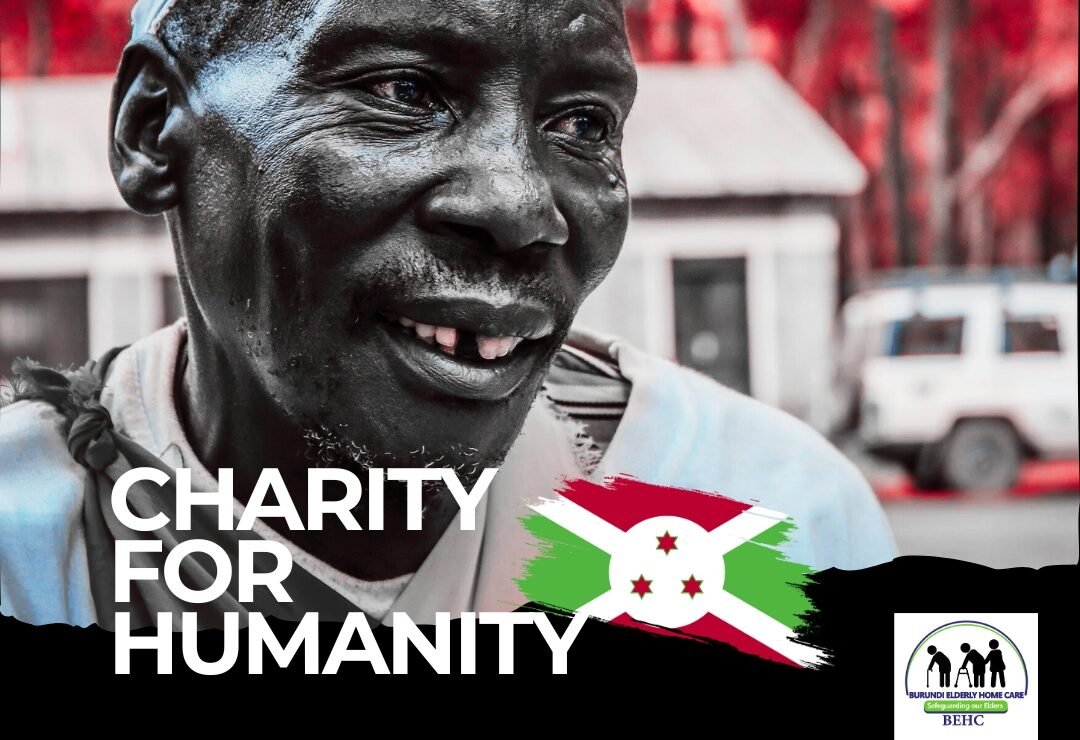
Burundi Elderly Home Care (BEHC), founded in 2020 by Mr. Rubashamuheto Jesus-Marie and co-founded by Ms. Nimbona Alida, has emerged as a frontline organization addressing this silent crisis. Officially licensed in 2025 and based in Bujumbura, East Africa, BEHC combines elderly welfare with HIV/AIDS interventions, advocating for global collaboration and stronger local policies.

The Overlooked Reality: Elderly People and HIV/AIDS in Burundi
- HIV Prevalence Among Seniors
While national HIV/AIDS programs primarily target the youth, a significant number of elderly Burundians are living with HIV. Many contracted the virus earlier in life and have carried it into old age, while others were infected later, often due to lack of targeted awareness for older populations. - Challenges Faced by Elderly with HIV/AIDS
- Stigma and isolation: Elderly people often face greater stigma, both because of age and HIV status, leading to loneliness and neglect.
- Health complications: Aging weakens the immune system, and HIV exacerbates conditions such as hypertension, diabetes, and arthritis.
- Limited financial capacity: Many elderly people live in poverty, unable to afford nutritious food or transport to health facilities, making HIV management extremely difficult.
- ARV-related global challenges: Even though antiretroviral therapy (ART) has improved survival globally, supply shortages, high costs, and inconsistent access continue to affect developing countries. For Burundi’s elderly, this means missed doses, treatment interruptions, and reduced quality of life.
- Insufficient Government Interventions
The Burundian government has commendable HIV/AIDS programs, but they are largely youth-focused. Elderly people remain outside the scope of awareness campaigns, community outreach, and research studies. As a result, their specific needs—mobility support, psychosocial counseling, and geriatric-HIV care—remain unmet.
Burundi Elderly Home Care: A Crucial Intervention
BEHC is one of the few organizations in Burundi integrating elderly welfare with HIV/AIDS support. Its approach is both community-centered and evidence-driven.
- Counseling and Psychosocial Support
With a founder who holds a Diploma in HIV/AIDS Counseling and Management from the Institute of Advanced Leadership, Uganda, and professional experience from Mildmay Uganda and Mbuya Military Referral Hospital, BEHC has strong expertise in guiding seniors through HIV/AIDS challenges. - Awareness and Sensitization
BEHC organizes sensitization campaigns targeting elderly populations—often excluded from national HIV/AIDS awareness efforts. These campaigns challenge stigma, encourage testing, and highlight the importance of adherence to ARVs. - Support for Access to ARVs and Nutrition
Many elderly cannot afford the nutritional support required to complement ARVs. BEHC advocates for holistic HIV/AIDS care that includes food, shelter, and emotional support, not just medication. - Advocacy for Policy Change
By working with local authorities and NGOs, BEHC is pushing for age-inclusive HIV/AIDS policies in Burundi, ensuring that seniors are no longer left behind in the fight against the epidemic.
The Call for Global Research and Collaboration
While BEHC continues to make strides, the global research community must step in to strengthen interventions for elderly people living with HIV/AIDS in Burundi and other developing countries.
There is an urgent need for:
- Research on HIV and aging to understand how ARVs interact with chronic conditions common in elderly people.
- Studies on stigma reduction, specifically tailored for older populations.
- Affordable ARV delivery models that ensure consistent supply and adherence support.
- Cross-national collaborations to share best practices in elderly-centered HIV care.
Without global support, seniors in Burundi will continue to be invisible victims of HIV/AIDS, enduring unnecessary suffering in silence.
Conclusion
HIV/AIDS among the elderly in Burundi represents a hidden but urgent crisis. The combination of poverty, stigma, health complications, and limited government interventions has created a perfect storm of vulnerability.
Through its specialized expertise, grassroots programs, and unwavering advocacy, Burundi Elderly Home Care (BEHC) is leading the charge in addressing this issue. Yet the scale of the problem demands global intervention. Researchers, policymakers, and international donors must collaborate with BEHC to ensure elderly people with HIV/AIDS are not left behind.
By working together, we can transform the narrative—ensuring that the elderly in Burundi live not in despair, but in dignity, health, and hope.