
In Burundi, one of Africa’s smallest yet most densely populated nations, the elderly population is among the most vulnerable groups to the worsening environmental challenges of our time. Climate change, flooding, deforestation, and unmanaged waste are intensifying the hardship already experienced by senior citizens, most of whom live in poverty and lack the resources to adapt or recover from environmental shocks.
Environmental Threats Facing the Elderly in Burundi
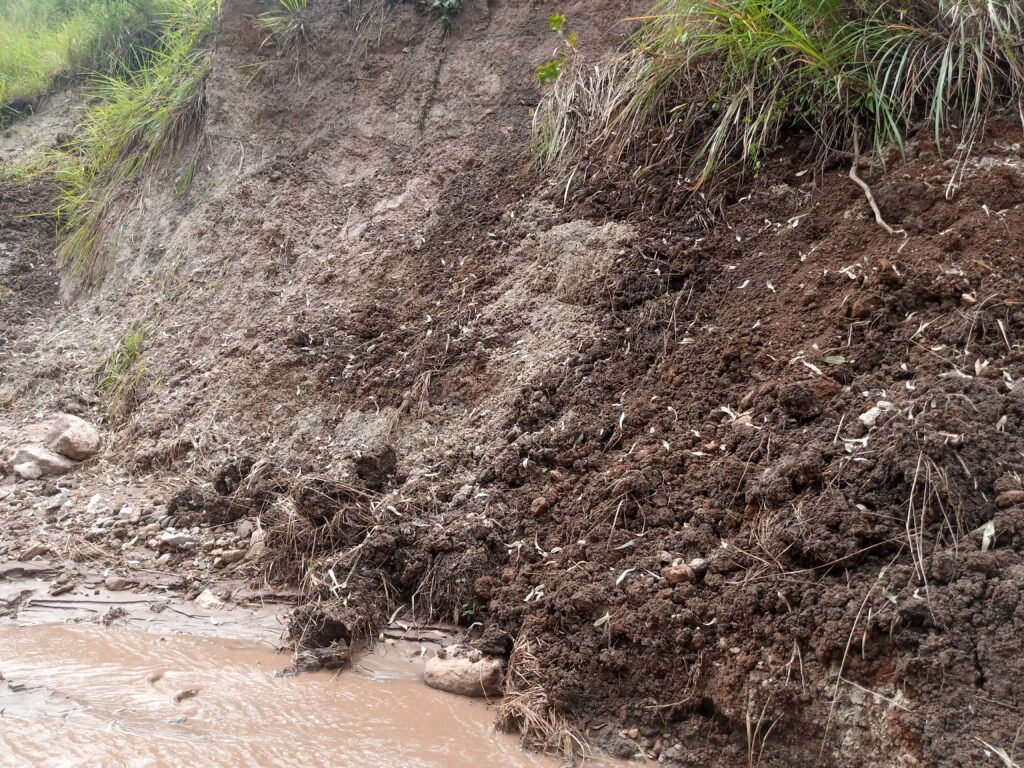
Over the past decade, Burundi has witnessed recurring floods and landslides that destroy homes, particularly in urban areas such as Bujumbura. Elderly people—many of whom live alone or in fragile housing structures—are disproportionately affected. With limited income and no access to insurance or emergency funds, they cannot rebuild or relocate when their homes are washed away. Each disaster pushes them deeper into vulnerability, stripping away the dignity they deserve in old age.

Another pressing issue is plastic waste pollution, which has become a visible crisis across the country. Streets, rivers, and drainage systems are increasingly clogged with plastic, worsening urban flooding during the rainy season. For the elderly, this translates into unsafe living conditions, exposure to disease, and greater isolation when mobility becomes difficult.
Although the Government of Burundi has taken steps toward environmental protection, including awareness campaigns and waste management initiatives, interventions remain insufficient given the scale of the problem. The gap is widest when it comes to tailored solutions for the elderly, who often cannot physically or financially participate in government programs.
The Crucial Role of Burundi Elderly Home Care
Founded in 2020 by Mr. Rubashamuheto Jesus-Marie and co-founded by Ms. Nimbona Alida, Burundi Elderly Home Care (BEHC) has become a beacon of hope for seniors affected not only by poverty and disability but also by environmental hazards. Officially licensed in 2025, BEHC is based in Bujumbura, East Africa, and integrates environmental conservation into its elderly care mission.
BEHC’s interventions include:
- Sensitization campaigns that engage local communities—including the elderly—in understanding the link between a healthy environment and quality of life.
- Community clean-up initiatives that reduce plastic waste in neighborhoods where elderly people reside, making their surroundings safer and more livable.
- Advocacy for eco-friendly policies, highlighting the unique vulnerabilities of seniors in climate change discussions.
- Emergency response support, mobilizing resources when floods displace elderly citizens, and working with local partners to provide shelter, food, and basic healthcare.
Through these efforts, BEHC is not only caring for the elderly but also empowering them as active participants in environmental stewardship, reminding society that age is not a limitation to contributing to a sustainable future.

A Call for Global Research and Collaboration
However, BEHC recognizes that the environmental crisis and its impact on elderly populations in developing countries require greater global collaboration. Research is urgently needed to design interventions that are both scientifically sound and culturally adaptable to Burundi’s context.
We therefore call upon global researchers, academic institutions, and environmental organizations to partner with BEHC in:
- Studying the intersection of climate change and elderly welfare in low-income countries.
- Developing affordable housing solutions resilient to floods and environmental shocks.
- Innovating low-cost waste management systems, particularly targeting plastic pollution in urban areas.
- Creating policy frameworks that governments can adopt to integrate elderly welfare into environmental strategies.
Conclusion
The plight of the elderly in Burundi cannot be separated from the health of the environment. As floods sweep away homes, as plastic waste clogs communities, and as poverty deepens vulnerability, it is the elderly who are left at the margins of survival. While the government is making commendable efforts, these interventions alone are not enough.
Burundi Elderly Home Care stands ready as a partner to the global research community, NGOs, and policymakers to build lasting solutions that protect both the environment and the dignity of our seniors. Together, we can ensure that no elderly person in Burundi—or anywhere else—has to choose between survival and dignity in the face of environmental crisis.