
Abstract
Religion and spirituality are central to many older people’s identities, sources of care and resilience across Burundi. For organizations such as Burundi Elderly Home Care (BEHC), understanding how faith, customary beliefs and spiritual practices shape older people’s daily lives is essential to designing respectful, effective programmes. This article examines the religious and spiritual landscape as it affects Burundi’s elders, explores how spiritual life intersects with social and health needs, identifies risks and opportunities, and offers practical programmatic and policy recommendations for BEHC to deepen impact while protecting dignity and cultural integrity.
1. Introduction
In Burundi, like in many parts of East Africa, religion, spirituality and customary beliefs are woven through family structures, community norms and the meaning people give to ageing. For older adults, faith can provide social belonging, moral authority, practical assistance and coping resources in the face of illness, poverty and social change. At the same time, religious institutions and beliefs may inadvertently exclude or stigmatize some older people — for example those with illness deemed supernatural, widows struggling over inheritance, or elders disconnected from congregations because of mobility or migration of younger family.
For BEHC — an organization dedicated to supporting older Burundians — integrating an informed, sensitive approach to religious belief and spiritual care is not optional. It is central to person-centred service that preserves dignity and strengthens community support systems.
2. The Religious and Spiritual Landscape: Key Features (Qualitative overview)
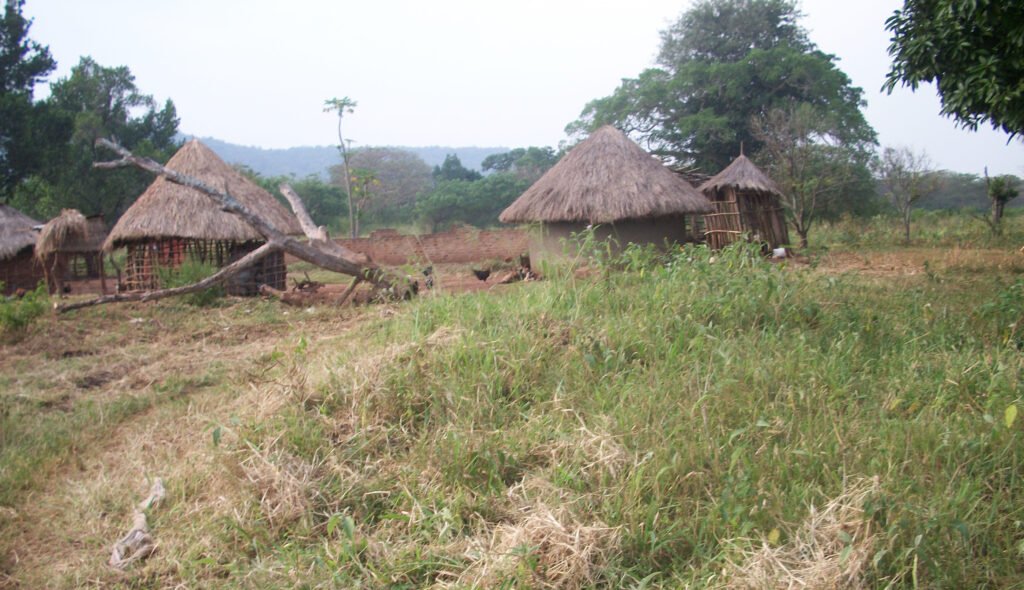

Pre-colonial spiritual worldview: The role of Kiranga Kirumweru
Before the arrival of missionaries, Burundians practiced a spiritual system centred on Imiryango y’Imizimu n’Ingoma (ancestral spirits and sacred authority). At the pinnacle of this cosmology stood Kiranga (Kiranga Kirumweru):
- Regarded as the chief intermediary between humans and Imana, the supreme God.
- Embodied moral order, fertility, healing, and social protection.
- Was invoked through rituals conducted by traditional priests (Abapfumu) and custodians of sacred drums and sacred sites.
- Maintained community harmony, guided conflict resolution, and provided meaning in times of illness and misfortune.
Many elders today still refer to Kiranga in understanding misfortune or illness, blending these beliefs with Christian or Islamic teachings.
Religious pluralism with dominant traditions: Burundi’s population is predominantly Christian (Roman Catholic and various Protestant denominations) with a significant minority of Muslims and strong persistence of indigenous spiritual beliefs and practices. Religious identity often overlaps with ethnic, family and regional ties and shapes ritual calendars, caregiving roles and moral obligations toward the elderly.
Syncretism: Many older Burundians hold syncretic beliefs — blending Christian or Islamic practices with ancestral veneration and traditional healers. Ancestors and spirits are commonly invoked in explanations of sickness, misfortune, and family disputes, including inheritance conflicts affecting older people.
Religious institutions as social safety nets: Churches, mosques and faith-based community groups frequently provide practical support (food, small grants, visits), social connection, and moral authority that can protect elders from neglect — but access varies by denomination, gender, and local leadership.
Spirituality and health-seeking behaviour: Religious explanations influence how older people interpret illness and which care options they pursue (biomedical care, prayer, traditional healers). This affects late presentation to clinics, adherence to medication, and acceptance of palliative care.
Rituals around ageing and death: Funeral rites, memorials for ancestors and other rituals confer status and meaning. Exclusion from these rites (for instance, after family disputes) can cause deep social and psychological harm.
3. How Spiritual Life Influences Older People’s Well-being
- Psychosocial resilience: Regular worship, prayer, and participation in religious communities reduce loneliness, provide emotional support and reinforce a sense of purpose — key protective factors for mental health in later life.
- Social capital and mutual aid: Religious groups often coordinate mutual-help arrangements — food distribution, small savings groups, communal labour — which older persons rely on, especially where formal social protection is limited.
- Authority and status: In many communities, elders carry spiritual authority as custodians of tradition or church elders. This status can translate into influence and protection, but it can also be contested, especially where property disputes or intergenerational tensions are present.
- Health behaviours and coping with illness: Spiritual frameworks shape coping strategies, expectations for recovery, and decisions about using modern medicine versus prayer or traditional healing. Faith can improve adherence (through collective encouragement) or delay biomedical care (if illness is seen as spiritual).
- End-of-life preferences: Spiritual beliefs guide wishes around end-of-life care, dying at home versus hospital, and funeral arrangements — all important for palliative planning and culturally congruent care.
4. Risks and Barriers Arising from Religious and Cultural Dynamics
- Stigma and exclusion: Older people with dementia, chronic illness, or perceived “curses” may be stigmatized or subjected to harmful traditional practices. Widows and single elders may be marginalized in customary inheritance practices reinforced by local interpretations of tradition or religious norms.
- Unequal access to faith-based support: Religious assistance may favour active, visible congregation members. Homebound elders or those from minority denominations can be overlooked.
- Conflict with medical advice: Spiritualized explanations for illness can lead to delays in treatment, refusal of essential medication, or the pursuit of potentially harmful traditional remedies.
- Instrumentalization of religion: In some situations religious leaders or groups may be mobilized in family disputes (e.g., inheritance), deepening tensions rather than resolving them.
5. BEHC’s Role: Principles for Integrating Religion and Spiritual Care
BEHC can strengthen its impact by operating according to these principles:
- Respect and cultural humility: Recognize the legitimacy of spiritual beliefs in elders’ lives. Approach spiritual care without judgment, avoiding attempts to “correct” beliefs while ensuring harm reduction.
- Person-centred assessments: Include spiritual history in intake assessments (what gives meaning, preferred religious practices, end-of-life wishes, key spiritual supports, and potential conflicts with treatment).
- Partnership with faith-based actors: Work with churches, mosques, and traditional leaders as allies — for outreach, volunteer mobilisation, and mediation — while maintaining independence and safeguarding elder rights.
- Non-discrimination and inclusion: Ensure services reach elders of all faiths and none; monitor for unequal assistance; offer alternatives where faith-based supports are absent.
- Safeguarding and harm prevention: Train staff to identify harmful practices (rituals that endanger health or rights) and to intervene through culturally appropriate, rights-based methods.
6. Practical Programmatic Approaches for BEHC

A. Spiritual-Sensitive Home Visits
- Train home-care teams to conduct brief spiritual assessments (beliefs, religious leaders to contact, rituals important for the elder).
- Offer to facilitate religious rites (e.g., arranging visitors from the elder’s congregation) where this supports psychosocial well-being.
B. Faith-Community Mobilisation
- Map local faith institutions and identify willing partners.
- Establish formal Memoranda of Understanding (MoUs) with progressive faith leaders to coordinate volunteer outreach to homebound elders and joint awareness sessions.
C. Inclusive Worship Access
- Create transport or small grants to enable homebound seniors to attend major religious ceremonies.
- Organize interfaith visiting teams to reach isolated elders (rotate volunteers from different congregations to avoid proselytization concerns).
D. Spiritual Care Training for Staff
- Provide basic pastoral care skills to community health workers: active listening, grief support, bereavement counselling, and referral pathways.
- Train staff to recognize when spiritual needs intersect with mental health (e.g., depression) and to refer appropriately.
E. Health-Faith Dialogue Workshops
- Convene respectful dialogues between medical staff, traditional healers and faith leaders to build shared understanding about chronic disease management, palliative care and harmful practices — with elders’ voices central.
F. Safeguarding Interventions
- When ritual or religious practices are harmful (e.g., isolation of elders, denial of treatment), use mediation with faith leaders and families, supported by legal/rights-based counselling.
7. Monitoring, Evaluation and Learning
Key indicators to track:
- Number of elders receiving spiritually-sensitive assessments.
- Participation rates of homebound elders in religious activities they value.
- Referrals made between BEHC and faith-based partners.
- Incidents reported of faith-related harm or exclusion and resolution outcomes.
- Beneficiary satisfaction with spiritual support (qualitative feedback).
Use mixed methods: case studies and testimonies are especially valuable to document intangible benefits (sense of dignity, belonging).
8. Policy and Advocacy Recommendations
- Promote faith-sensitive social protection: Advocate with local authorities and faith institutions for elder-inclusive social safety nets (food distribution, cash-for-care schemes).
- Rights-focused training for religious leaders: Support capacity building for clergy and imams on elder rights, elder abuse, and non-discriminatory inheritance practices.
- Inclusion in national ageing strategies: Encourage policymakers to explicitly recognize faith-based actors as partners in national frameworks for ageing, with safeguards to protect elder rights.
- Support for intergenerational dialogue: Fund programmes that bring youth and elders together through faith-led community service to rebuild respect and mitigate inheritance-related harms.
9. Case Study Illustrations (Composite / Typical Scenarios)
- Restoring ritual access for a homebound widow: BEHC coordinates with a local parish to send trained volunteers to administer communion and to involve the elder in small prayer groups — reducing loneliness and rebuilding her status in the community.
- Mediation over inheritance contested on religious grounds: BEHC’s social worker engages a respected interfaith council to mediate between siblings and the elder, combining religious moral authority with legal counselling to reach a negotiated settlement.
- Collaborative health education: A parish and BEHC jointly present an outreach on diabetes management that integrates faith-based encouragement for medication adherence and a clear message that prayer complements, not replaces, medical treatment.
(These are hypothetical composites intended to illustrate practical approaches.)
10. Risks and Ethical Considerations
- Avoid proselytizing or favouring particular faiths in BEHC programming.
- Safeguard autonomy: do not substitute spiritual leaders’ authority for informed consent in medical decisions.
- Respect privacy: some elders may not wish their spiritual preferences to be widely shared.
- Ensure voluntariness for faith-based services; participation should never be a condition for receiving other forms of help.
11. Conclusion
For older Burundians, religion and spirituality are not peripheral — they are core to identity, social support and meaning. BEHC’s mission to protect dignity and health in old age will be stronger when it intentionally integrates spiritual sensitivity: listening to elders’ beliefs, partnering with faith and traditional actors, training staff in pastoral skills, and defending elder rights when religious norms are misused.
By combining rights-based safeguards with culturally respectful spiritual care, BEHC can help ensure that the twilight years of Burundi’s elders are lived with dignity, community, and the spiritual support they value.