
Burundi’s cultural identity is one of the richest in the Great Lakes region, rooted in centuries of tradition, community values, and artistic expression. At the heart of these traditions stand the elders—custodians of wisdom, memory, and cultural continuity. Recognizing the immense value of this generation, Burundi Elderly Home Care (BEHC) has positioned itself as a key guardian of Burundi’s heritage by uplifting and empowering the elderly who carry these traditions forward.
Founded in 2020 by Rubashamuheto Jésus-Marie and co-founded by Nimbona Alida, BEHC officially obtained its operating license in 2025, marking a significant milestone in its commitment to elderly welfare and cultural conservation. The organization believes that protecting Burundi’s heritage begins with protecting the people who hold its stories.
Elders as Living Libraries of Burundi’s Culture
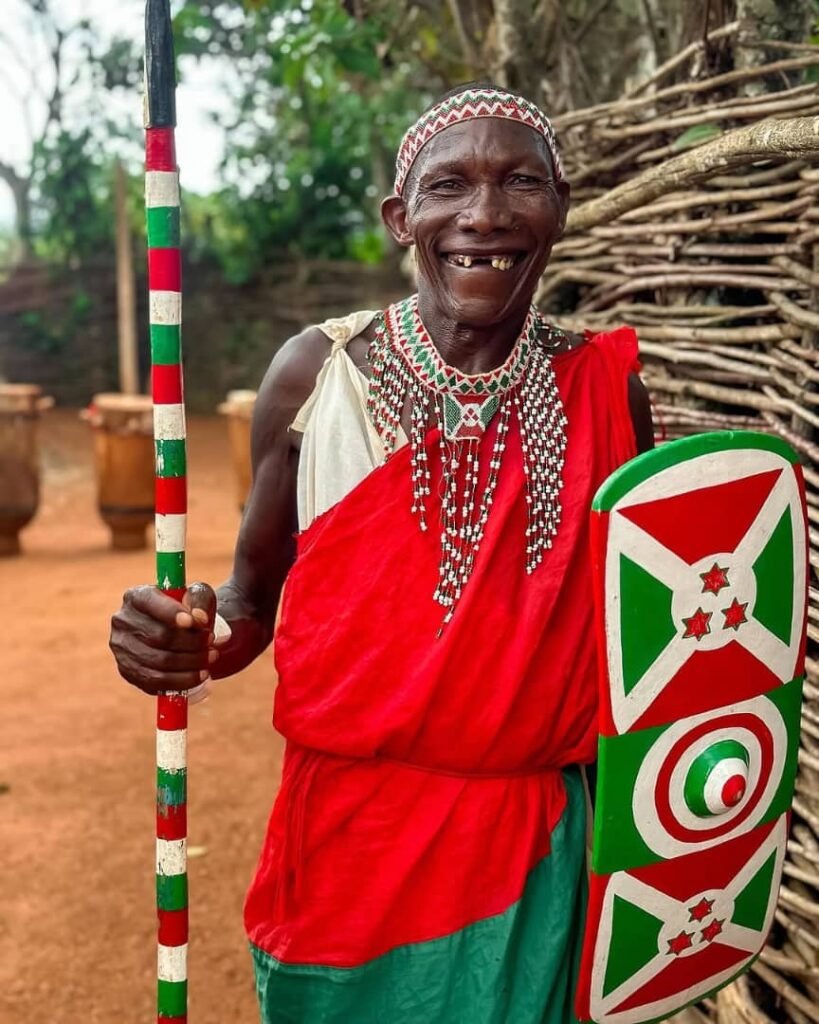
In Burundian tradition, elders are regarded as the foundation of community wisdom. They are the storytellers, the advisers, and the guardians of authenticity. Much of Burundi’s history has been passed down orally—folktales, proverbs, philosophical teachings, and collective memory are preserved through elders who continue to share them with younger generations.
By supporting the elderly, BEHC protects this irreplaceable human archive. Their knowledge cannot be replaced by books or digital records; it lives through spoken word, lived experience, and cultural practice. Losing elders without preserving their knowledge means losing fragments of Burundi’s identity.
Preserving Traditional Drumming and Dance

Among Burundi’s most celebrated cultural treasures is the Royal Drum Tradition (Ingoma)—a UNESCO-recognized symbol of unity, resilience, and identity. Alongside the drummers stand dancers and traditional custodians who understand the spiritual, historical, and social significance of each rhythm and movement. Many of these practitioners are elders who learned the art from previous generations. They carry the authentic forms, meanings, and ceremonial rituals that modern reinterpretations often overlook. BEHC’s engagement with the elderly creates a bridge between past and present by:
Documenting traditional knowledge shared by elderly drummers and dancers
Organizing spaces where elders can teach youth the original rhythms, techniques, and stories
Supporting elder cultural practitioners, ensuring they remain active cultural mentors rather than forgotten voices
Through this intergenerational exchange, Burundi’s artistic traditions maintain their integrity and relevance.
Cultural Conservation Through Social Responsibility
The mission of BEHC goes beyond caregiving. By addressing the social, medical, and emotional needs of elderly persons, the organization ensures that elders remain respected, valued, and engaged members of society.
Healthy and empowered elders are more able to participate in cultural transmission. BEHC’s model promotes cultural conservation by:
Offering holistic care that preserves elders’ dignity
Providing community-based support to keep elders connected
Encouraging cultural dialogue between elders and youth
Recognizing elders as national assets rather than a vulnerable group to be overlooked
In this sense, the organization plays a dual role—advocating for humanitarian care while serving as a cultural preservation institution.
Why Elders Are Essential to Burundi’s Future
As Burundi rapidly modernizes, the risk of cultural erosion becomes increasingly real. Technology, globalization, and shifting social dynamics can dilute traditional practices if they are not actively preserved.
Elders remain the strongest safeguard against this loss because:
They provide authentic cultural instruction that technology cannot replicate
They maintain community unity through values of Ubuntu, respect, and solidarity
They embody historical continuity, connecting modern Burundi to its ancestral roots
They offer moral guidance grounded in tradition
By honoring and involving elders, Burundi strengthens not only its cultural legacy but its national identity.
Conclusion
Burundi Elderly Home Care (BEHC) represents a powerful example of how caring for elders and preserving cultural heritage go hand in hand. Through the visionary leadership of Rubashamuheto Jésus-Marie and Nimbona Alida, the organization stands as a guardian of both human dignity and cultural pride.
The preservation of Burundi’s traditional drumming, dance, and oral history depends on the elders who carry these traditions. Supporting them is not just a moral responsibility—it is an investment in Burundi’s future.