
Public transport is a vital part of daily life in Burundi, especially in urban centers like Bujumbura, where many elderly people rely on buses to access healthcare, markets, social services, and community activities. However, for older adults, commuting by public transport is often a daunting and physically taxing experience. Burundi Elderly Home Care (BEHC) has been at the forefront of advocating for safer, more accessible, and dignified public transportation for the country’s elderly population.

Long Queues and Waiting Times
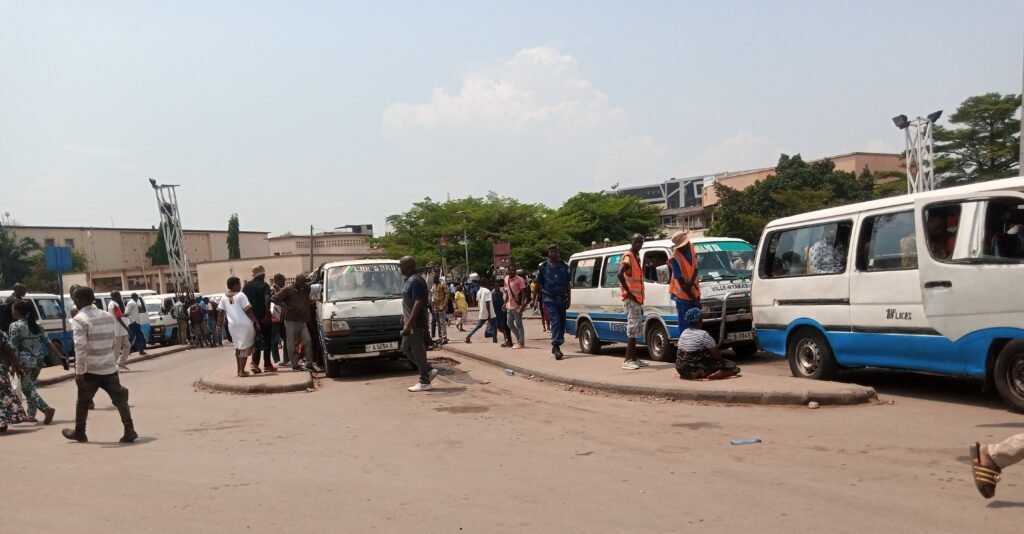
Elderly passengers frequently face long queues at bus stops, sometimes standing for hours under harsh weather conditions. With limited physical stamina, extended waiting periods are exhausting and often harmful to their health. BEHC has conducted outreach programs at major bus terminals to raise awareness about prioritizing older passengers and providing shaded, safe waiting areas.
Limited Seats and Standing Challenges
One of the most critical issues is the insufficient seating on buses, which forces elderly passengers to stand for long durations. Standing increases the risk of falls, fatigue, and accidents, especially during sudden stops or crowded routes. Often, older adults are pushed or jostled while trying to secure a seat, making commutes both physically challenging and stressful. BEHC advocates for dedicated seating areas reserved for elderly passengers to ensure comfort and safety.
Boarding Difficulties and Fights for Access
Many buses in Burundi have high steps and long stairs, making it extremely difficult for elderly passengers — especially those with mobility issues or disabilities — to board safely. Additionally, the limited awareness among some youth leads to competition and occasional fights for seating, further marginalizing older adults. BEHC actively engages with youth groups and transport associations to promote respect, patience, and priority seating for seniors.
Challenges for Disabled Elderly Passengers
Disabled elderly people face some of the most severe transport barriers. Standard buses are rarely equipped with ramps or accessible entryways, rendering it nearly impossible for those using wheelchairs or walking aids to travel independently. BEHC has been lobbying transport companies and government authorities to consider accessible bus designs and alternative transport solutions for elderly and disabled passengers.
Advocacy and Sensitization Efforts by BEHC
Burundi Elderly Home Care has implemented several initiatives to address these challenges:
- Community Awareness Campaigns: Educating bus operators, youth, and the general public about the rights and needs of elderly passengers.
- Policy Advocacy: Engaging with government authorities to create policies mandating accessible and senior-friendly public transportation.
- Research and Documentation: Collecting data on elderly transport challenges to inform infrastructure improvements and funding initiatives.
- Partnerships: Collaborating with NGOs, transport unions, and civic groups to promote better transport standards for older adults.
Conclusion
Public transport is not merely a convenience for elderly Burundians—it is a lifeline connecting them to essential services and social networks. Yet the current system, characterized by overcrowding, long queues, inaccessible buses, and insufficient sensitization of fellow passengers, poses significant challenges. Burundi Elderly Home Care (BEHC) continues to advocate tirelessly to ensure that elderly citizens can travel safely, comfortably, and with dignity. By raising awareness, lobbying for policy changes, and promoting inclusive transportation, BEHC aims to transform public transit into a system that respects the rights and well-being of Burundi’s elderly population.