
In Burundi, a nation rich in cultural heritage and community values, the elderly have traditionally been regarded as pillars of wisdom, family unity, and moral guidance. However, in recent years, this deep respect has been eroded by social and economic pressures. Disturbingly, growing numbers of elderly people are finding themselves victims of neglect, abuse, and even fatal violence—often at the hands of their own relatives—over disputes related to property inheritance and family land.
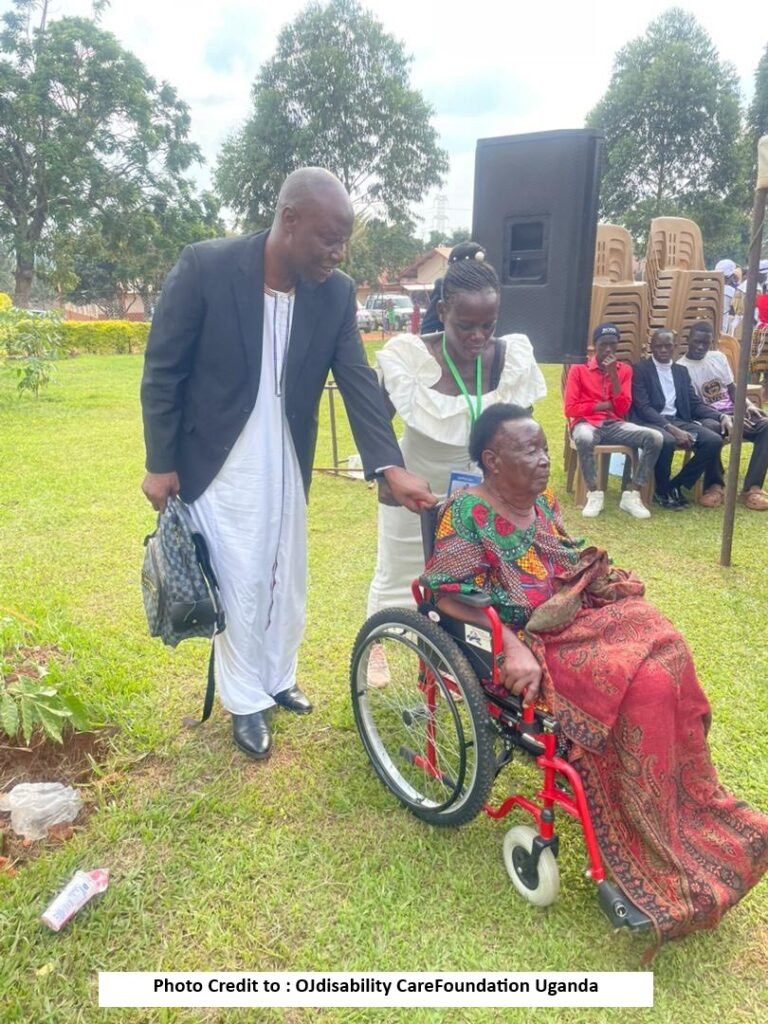
The Complex Reality: Burundi and Its Elderly
Burundi, a small, densely populated country in East Africa, continues to face enormous socio-economic challenges. High unemployment rates, limited infrastructure, and lingering effects of previous civil conflicts have left many families struggling for survival. In this environment, land—one of the country’s scarcest resources—has become both a source of sustenance and a root of tension.
Elderly people, once respected as custodians of family property, are increasingly being viewed as obstacles to inheritance and economic opportunity. Cases have emerged where sons, nephews, or extended family members resort to violence or intimidation to gain access to family land or assets. Many elderly victims are left destitute, evicted from their homes, or forced to live in unsafe conditions.

Cultural Shifts and the Erosion of Respect for Elders
Traditionally, Burundian culture places immense value on intergenerational respect, with elders serving as custodians of wisdom and mediators in family affairs. However, globalization, urbanization, and poverty have weakened these cultural values. Younger generations, under economic pressure, increasingly prioritize material gain over family unity and moral duty.
The weakening of community ties has led to isolation of elderly people, especially in urban centers like Bujumbura, where many live alone and depend on the goodwill of neighbors. Rural elders, on the other hand, often face land conflicts and social exclusion when they become unable to farm or contribute economically.
The Socioeconomic Burden: Poverty, Unemployment, and Overpopulation
Burundi has one of the highest population densities in Africa, with limited land available for agriculture or housing. Overpopulation has led to constant land disputes within families. Combined with high unemployment, particularly among youth, frustration and desperation often escalate into violent confrontations over inheritance.
The government has made efforts to promote social welfare and community justice, but with limited infrastructure and scarce resources, much remains to be done. Many cases of elder abuse go unreported, either due to fear, stigma, or the absence of effective legal recourse.
Environmental Impacts and Vulnerabilities
Environmental challenges further worsen the situation. Floods, landslides, and soil degradation—exacerbated by deforestation and climate change—have destroyed homes and farmland, particularly affecting elderly people who depend on subsistence farming.
BEHC has observed that elderly victims of environmental disasters often face double vulnerability: they lose their homes and become targets of inheritance disputes from relatives seeking to seize what little remains. In this sense, climate vulnerability and social injustice intertwine, creating a cycle of loss and insecurity for Burundi’s elderly.
The Role of Burundi Elderly Home Care (BEHC)
Founded in 2020 and officially licensed in 2025, Burundi Elderly Home Care (BEHC) is a non-profit organization based in Bujumbura dedicated to protecting and empowering elderly citizens. Under the leadership of Founder Mr. Rubashamuheto Jesus-Marie and Co-founder Ms. Nimbona Alida, BEHC works tirelessly to restore dignity to older adults through advocacy, direct support, and awareness campaigns.
BEHC’s mission goes beyond caregiving—it is about defending the rights of elderly people, ensuring their safety, and giving them a voice in national dialogue. Through community sensitization, the organization works to remind families of traditional values of compassion, unity, and respect.
Key BEHC interventions include:
- Advocating for legal protection of elderly people in inheritance disputes.
- Raising awareness about elder abuse and property rights through local radio and community meetings.
- Providing psychosocial and emergency support to elderly victims of violence and neglect.
- Engaging youth and community leaders in campaigns to restore intergenerational respect and cooperation.
- Promoting sustainable living and environmental care, empowering elders to participate in reforestation and eco-awareness programs that link environmental health to human dignity.
A Call for Global Partnership and Research
The challenges facing Burundi’s elderly cannot be addressed in isolation. They require global collaboration, research, and policy innovation. BEHC is calling upon international partners, human rights advocates, and academic researchers to work together in developing comprehensive interventions that protect elderly people’s rights and wellbeing.
Elderly lives must never be seen as expendable. They are the living memory of Burundi’s struggles, resilience, and identity. Ensuring their protection is not merely a social obligation—it is a moral and human rights duty.
Conclusion
Burundi’s elderly population stands at a fragile intersection of poverty, land scarcity, and social transformation. The tragic rise in inheritance-related violence against them reveals deep cracks in social cohesion and justice systems. Through continuous advocacy, education, and partnership, Burundi Elderly Home Care (BEHC) remains steadfast in its mission to restore dignity, promote justice, and ensure that no elder is left behind or silenced.
As Burundi moves toward a future of stability and growth, the true measure of progress will lie in how the nation treats its most vulnerable—its elders, the silent keepers of its past and the guiding lights for its future.