
Burundi Elderly Home Care: Providing Hope in Adversity
In Burundi, a nation grappling with poverty, previous civil wars, and economic difficulties, elderly individuals encounter significant challenges. However, Burundi Elderly Home Care, a visionary humanitarian organization established by Rubashamuheto Jesus-Marie and co-founded by Nimbona Alida, is making a powerful impact by relentlessly enhancing the lives of seniors across this East African nation.
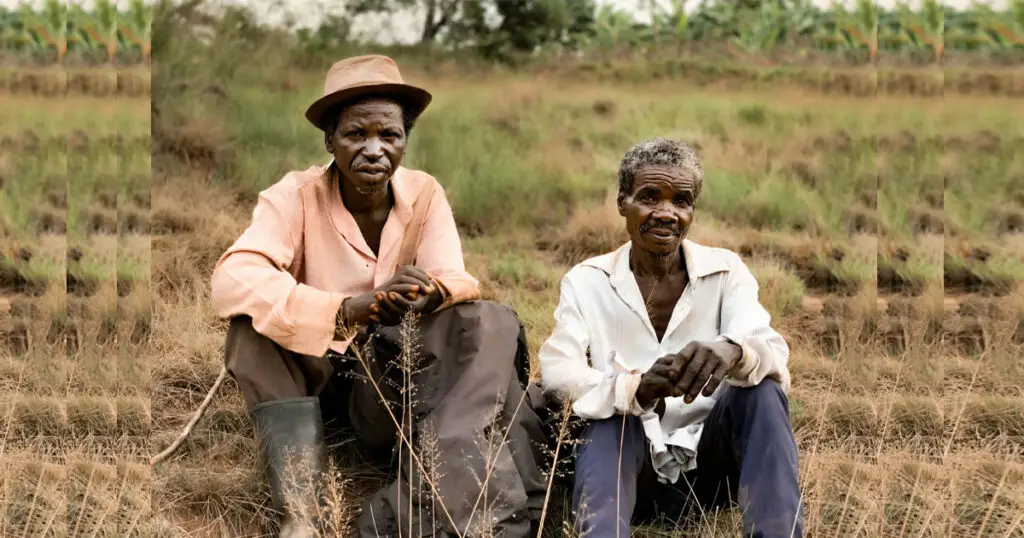
Established informally in 2020, Burundi Elderly Home Care has grown significantly, obtaining its license in 2025. This milestone marks a new chapter in the organization’s journey to deliver quality care to elderly individuals.
Hope, Health, and Dignity for Burundi’s Elders: The Mission of Burundi Elderly Home Care (BEHC)
Introduction
A society is often judged by how it treats its most vulnerable members. Among these are elderly men and women who have spent their lives raising families, building communities, preserving culture, and contributing to national development. Yet for many older persons in Burundi, aging comes with immense challenges that threaten their health, dignity, and quality of life.
As people grow older, they often experience declining physical strength, chronic illnesses, reduced mobility, social isolation, and economic insecurity. While aging is a natural part of life, many elderly people in Burundi face these challenges without adequate support systems, healthcare access, or social protection.
Recognizing this growing need, Burundi Elderly Home Care (BEHC) was established to become a voice of hope, compassion, and action for vulnerable older persons throughout the country.
The Reality of Aging in Burundi
Burundi is one of Africa’s youngest nations demographically, yet its elderly population continues to grow. Unfortunately, the needs of older persons are often overlooked in development planning, healthcare systems, and community support structures.
Many elderly people live in poverty after decades of hard work. Some depend entirely on family members who themselves struggle with unemployment and financial hardship. Others live alone after losing spouses, children, or relatives who once provided support.
In both urban and rural communities, elderly persons face numerous challenges:
- Limited access to healthcare services and medications.
- Physical disabilities and mobility limitations.
- Loneliness and social isolation.
- Food insecurity and inadequate nutrition.
- Poor housing conditions.
- Lack of emergency medical transportation.
- Elder abuse, neglect, and discrimination.
- Property and inheritance-related conflicts.
- Climate-related disasters such as floods and environmental degradation.
For disabled elderly persons, these challenges are often even greater. Without wheelchairs, walking aids, or accessible transportation, many become confined to their homes and disconnected from society.
The Inspiration Behind BEHC
The story of Burundi Elderly Home Care began with a personal observation that transformed into a national mission.
BEHC Founder and Director, Mr. Rubashamuheto Jesus-Marie, witnessed the emotional and physical struggles experienced by his aging father. As age advanced, simple activities that had once been routine became increasingly difficult. The realities of body weakness, reduced independence, and occasional isolation highlighted the emotional burden that many older persons silently carry.
This experience prompted a profound question: If a loved family member with support can face such challenges, what about elderly people who are poor, abandoned, disabled, or living completely alone?
The answer led to action.
In 2020, Burundi Elderly Home Care was founded with the vision of ensuring that elderly people throughout Burundi can live with dignity, respect, and hope.

Working Without Walls: A Community-Based Approach
Like many grassroots organizations in developing countries, BEHC faces significant resource constraints. While the organization’s long-term vision includes establishing a dedicated elderly care center, financial limitations have made this goal difficult to achieve at the present time.
As a result, BEHC currently does not operate a residential elderly home.
Rather than allowing this limitation to prevent action, BEHC adopted a community outreach model that brings support directly to elderly people where they live.
Through outreach visits, the organization identifies vulnerable elderly persons, listens to their stories, assesses their needs, and advocates for interventions that improve their wellbeing.
This approach has enabled BEHC to reach elderly individuals who would otherwise remain unseen and unsupported.
Promoting Hope Through Community Outreach
Community outreach remains the cornerstone of BEHC’s work.
Volunteers and team members visit elderly persons in their homes and communities, particularly those who are:
- Living alone.
- Physically disabled.
- Chronically ill.
- Financially vulnerable.
- Socially isolated.
- Neglected or abandoned.
These visits provide more than practical support. They offer companionship, emotional encouragement, and reassurance that someone cares.
For many elderly people, a simple conversation can be a powerful source of comfort and hope.
Advancing Health and Wellbeing
Good health is fundamental to healthy aging. Unfortunately, many older persons in Burundi face barriers to accessing healthcare due to financial limitations, transportation challenges, and mobility restrictions.
BEHC actively advocates for improved healthcare access and stronger support systems for elderly populations.
The organization also seeks partnerships with healthcare providers, researchers, and development partners to improve elderly health outcomes through education, awareness, referrals, and community engagement.
Protecting Dignity and Human Rights
Every elderly person deserves to be treated with respect, regardless of age, physical ability, or economic status.
Yet many older persons continue to experience age-based discrimination and exclusion.
BEHC works to promote awareness of elderly rights and encourages communities to recognize the value, wisdom, and contributions of older generations.
The organization believes that dignity should remain a fundamental human right throughout every stage of life.
Future Priorities for BEHC
To strengthen its impact, BEHC has developed several priority initiatives aimed at addressing urgent needs among elderly populations:
Ambulance for Elders Initiative
Many elderly patients face medical emergencies without reliable transportation to hospitals or health facilities. BEHC seeks to acquire an ambulance dedicated to elderly healthcare transportation and emergency response.
Telephone for Elders Project
Many elderly individuals live alone and lack reliable communication during emergencies. This initiative aims to provide mobile phones that improve safety, communication, and access to assistance.
Wheelchair and Mobility Support Program
Mobility is essential for independence and quality of life. BEHC continues to advocate for wheelchairs and mobility aids for disabled elderly persons who cannot afford them.
Elderly Rights and Awareness Campaigns
Through education and advocacy, BEHC seeks to strengthen community understanding of aging, elderly rights, and social inclusion.
The Need for Research and Global Collaboration
Aging populations represent one of the most significant social transformations of the 21st century. Yet there remains limited research focused on the experiences of elderly people in countries such as Burundi.
BEHC welcomes collaboration with:
- Universities.
- Researchers.
- Gerontology experts.
- Public health professionals.
- Humanitarian organizations.
- Development agencies.
- Healthcare institutions.
- Corporate and philanthropic partners.
Together, we can generate knowledge, develop innovative solutions, and improve the lives of elderly people both locally and globally.
A Call to Action
The challenges facing Burundi’s elderly population cannot be addressed by one organization alone.
Governments, communities, researchers, development partners, businesses, and individuals all have a role to play in ensuring that older persons live with dignity and security.
By supporting Burundi Elderly Home Care, partners can help create meaningful change in the lives of elderly people who have spent their lives serving others.
Every outreach visit, every wheelchair provided, every awareness campaign, and every act of compassion brings us one step closer to a future where no elderly person is forgotten.
Conclusion
Hope, health, and dignity should not diminish with age.
At Burundi Elderly Home Care, we believe that every elderly person deserves to feel valued, respected, protected, and supported. Although challenges remain, our commitment to Burundi’s elderly is unwavering.
Together, we can build communities where aging is not associated with isolation and vulnerability, but with dignity, care, and hope.
Because every elder deserves more than a longer life—they deserve a better life.